
Caregivers spend a lot of time thinking about handwashing, bathing, and surface cleaning — but some of the most important hygiene tasks are hiding in plain sight. The items seniors touch dozens of times a day often carry the most germs, oils, and irritants. Eyeglasses, hearing aids, walkers, canes, and wheelchairs all collect residue that can quietly undermine skin health, comfort, and infection control.
The good news: keeping these essentials clean doesn’t require special equipment or complicated routines. A few simple habits can make a big difference.
Eyeglasses: The Forgotten Skin Contact Surface
Eyeglasses sit on the nose, rest on the ears, and get handled constantly. Oils, makeup, sunscreen, and bacteria build up quickly. For seniors with fragile skin, this can lead to redness, irritation, or even small pressure sores.
A good routine:
- Clean lenses and frames daily with warm water and a drop of mild dish soap.
- Pay special attention to the nose pads and the area where the frame meets the lens.
- Dry with a soft microfiber cloth — not tissues, which can scratch.
- Once a week, give the frames a deeper clean or use pre-moistened eyeglass wipes.
Clean glasses also improve vision, which reduces fall risk. It’s a small task with a big payoff.
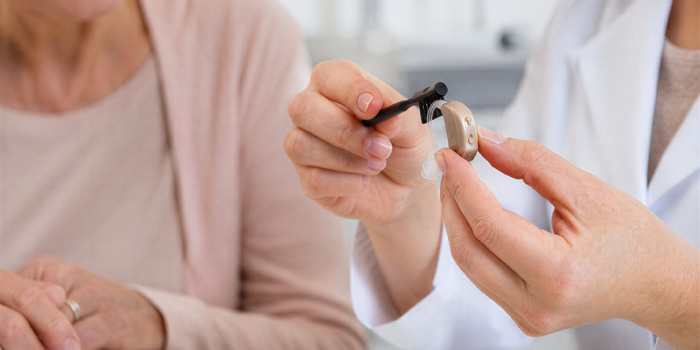
Hearing Aids: Tiny Devices, Big Hygiene Impact
Hearing aids sit in warm, enclosed spaces where moisture, wax, and bacteria thrive. When they’re not cleaned regularly, seniors may experience itching, ear canal irritation, or even mild infections. Dirty hearing aids also perform poorly, which affects communication and safety.
A simple daily routine:
- Wipe the device with a dry, lint-free cloth.
- Use the manufacturer’s brush to remove wax from openings.
- Keep devices dry — moisture is the enemy.
- Store them in a drying container overnight if recommended.
Once a week, caregivers can check tubing, domes, and filters for buildup. Clean devices last longer and help seniors stay connected to the world around them.
Mobility Gear: Walkers, Canes, and Wheelchairs
Mobility equipment is touched constantly — by hands, door frames, countertops, bathrooms, and public spaces. Handles and grips accumulate oils and germs, while wheels and tips pick up dirt and bacteria from the floor.
A practical cleaning routine:
- Wipe handles and grips daily with a mild soapy cloth or disinfecting wipe.
- Clean walker legs, cane tips, and wheelchair rims weekly.
- Inspect rubber tips for wear — worn tips increase fall risk.
- For wheelchairs, clean the seat and armrests regularly, especially in warm weather.
These items are extensions of the body. When they’re clean, seniors stay healthier and more comfortable.
The Concept
Caregiving isn’t just about personal hygiene — it’s also about the hygiene of the tools seniors rely on every day. Clean glasses improve vision. Clean hearing aids improve communication. Clean mobility gear improves safety. These small routines protect skin, reduce the risk of infection, and support dignity.